
How To Store an RV for the Winter
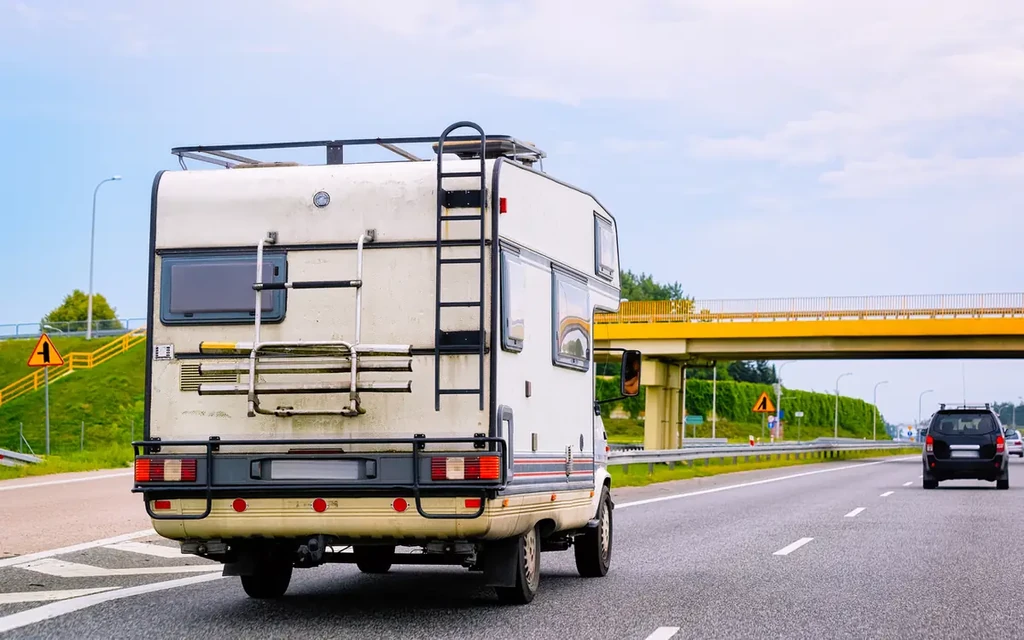
In this guide, you’ll learn the following:
- How to winterize your RV's water and plumbing system
- What to do with the propane system before storage
- How to protect the roof, seals, and awnings over winter
- How to handle the battery and generator
- What's different about winterizing an RV versus a car or boat
An RV has systems a car or boat doesn't, including a water system, propane system, and a roof full of seals and vents that each need attention before winter. Here's what to handle specifically for an RV before you store it for the winter, and general vehicle prep covered in our pre-storage checklist for cars and RVs and our broader guide to seasonal storage by region.
Start With the Plumbing System
This is the step that's easy to skip and expensive to regret:
- Drain the fresh, gray, and black water tanks completely.
- Bypass the water heater.
- Run RV-specific antifreeze through the lines and traps so nothing is left to freeze and crack a pipe or fitting over the winter.
- Leave faucets open slightly after draining so any remaining water has somewhere to go.
Shut Down the Propane System Before Storage
- Turn off propane tanks at the source before storage.
- Have the system checked for leaks if it's been a while since the last inspection.
- Rules on storing propane tanks vary by facility and local fire code, so check your RV's manual and confirm your storage facility's policy before you go.
Protect the Roof, Seals, and Awnings
A little roof maintenance now prevents a much bigger problem by spring:
- Clean the roof and inspect it for cracked or worn seals around vents and seams.
- Retract and secure awnings rather than leaving them extended.
- Use vent covers to keep moisture and pests out of roof openings.
This step matters even more if you store your RV outdoors rather than in a covered or indoor space.
Handle the Battery and Generator
Keep the battery on a trickle charger or disconnect it entirely so it doesn't fully drain over the winter. If your RV has a generator, follow the manufacturer's guidance on running it periodically or preparing it for long-term storage. Our pre-storage checklist covers the exterior cleaning, tire, and general battery steps that apply here too.
Where You Store Your RV Changes How Much of This Matters
Everything above matters more if your RV is sitting outdoors through a hard winter. It matters less, though it's still worth doing, if it's in a heated indoor unit. If you haven't decided between the two yet, our guide to indoor versus outdoor RV storage walks through how to weigh that decision for your situation.
Ready To Store Your RV for the Season?
Find a KO Storage location with RV storage and reserve a unit online before the cold sets in. Once you're set up, pay your rent online all winter without a trip to the office.