
How To Organize a Storage Unit: Tips for Finding Everything Later
In This Post
- How to zone your unit before the first box goes in
- The labeling system that saves hours later
- Why leaving a pathway matters more than maximizing space
- A simple inventory method that takes minutes to set up
Renting a storage unit is the easy part. Coming back three months later and finding what you need without moving everything else is where most people run into trouble.
A little planning before you start loading changes everything. Here is how to set up your unit so it actually works for you.
Zone Your Unit Before You Pack
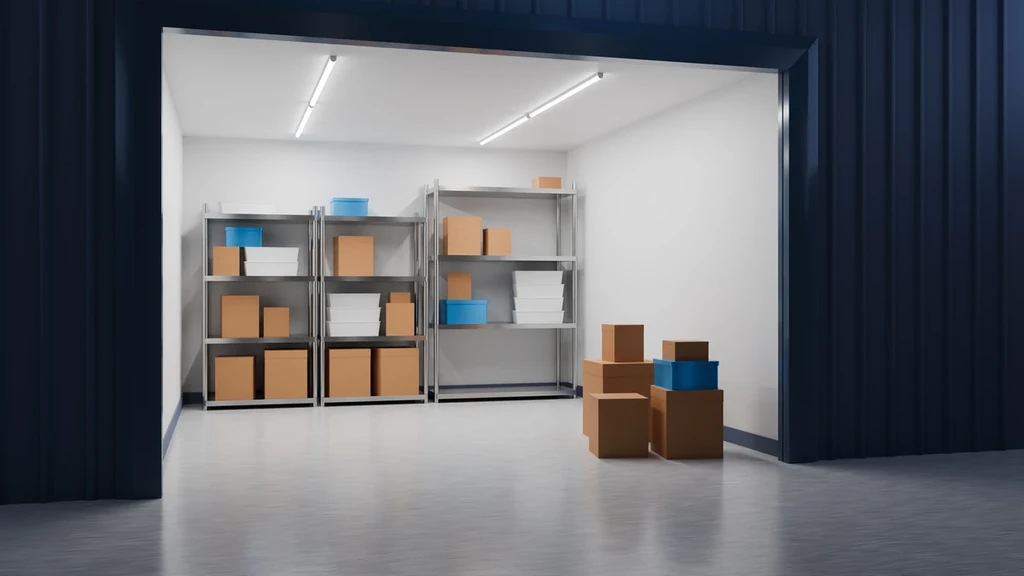
Before moving anything in, divide your unit mentally into three zones: front, middle, and back.
The front third is for items you may need to access during the storage period: important documents, seasonal clothing, things you might need in a pinch. The middle holds occasional-access items like seasonal gear or holiday decor. The back is for long-term storage, items you are unlikely to need until you move out.
Sketch this on paper before the first box goes in. It takes five minutes and saves hours later. Use our online unit size guide to help you determine what size storage unit you will be renting.
Use Uniform Boxes and Label Everything
Boxes come in many sizes, but stacking becomes much easier when you standardize. Choose two or three box sizes and stick with them throughout your move.
Label every box in two places: the top and one side. The top label tells you what is there when boxes are stacked. The side label tells you what is there when they are in a row.
Be specific. "Kitchen" tells you almost nothing when you are looking for the blender at 7 a.m. "Kitchen: small appliances" is actually useful.
Read More: Packing and Moving Tips
Leave a Pathway Through the Center
Even in a tightly packed unit, leave a narrow aisle down the center or along one wall. A unit you cannot walk into becomes a unit you cannot use without a full unpack.
Stack along the walls and keep the center clear. This requires more vertical stacking discipline, but it pays off every time you need to retrieve something from the back.
Heavy on the Bottom, Light on Top
Place heavy items on the floor and lighter ones higher up. This is easy to forget when you are in the middle of a move.
The practical rule: large furniture and appliances on the floor, medium-weight boxes in the middle, light bins and pillows on top. Never stack heavy boxes on top of drawer units or lightweight furniture that can buckle under the weight.
Disassemble large furniture when possible. A bed frame broken down flat takes a fraction of the floor space of an assembled frame. Tables can be stood on their sides. Sofa cushions can fill in gaps around larger pieces.
Make a Simple Inventory
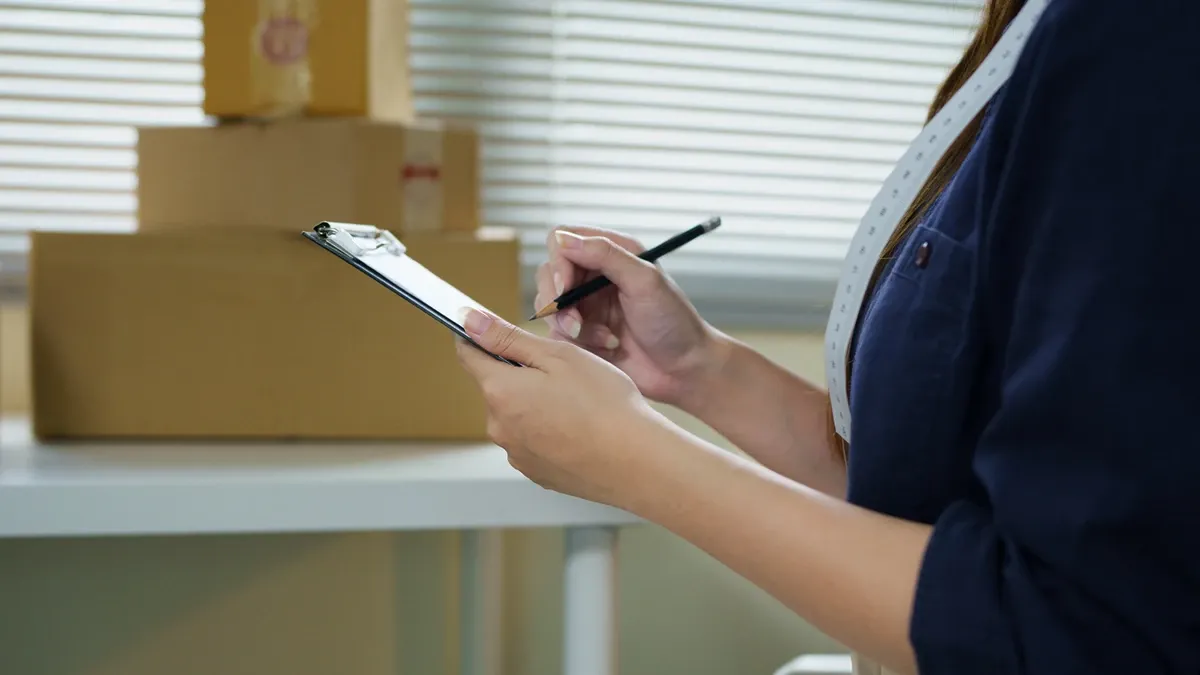
Before sealing each box, take a quick photo of its contents. Keep them in a phone album or folder labeled "Storage." When you need to find something specific, you scroll through photos rather than guess.
A simple spreadsheet works just as well: box number, approximate contents, and which zone it is in. Updating it as you pack takes less time than you think and saves you from a full unpack to find one item.
Climate Control for Items That Need It
If you are storing wooden furniture, electronics, photographs, or artwork alongside standard household items, keep the sensitive pieces toward the front of the unit where airflow is slightly better, or rent a climate-controlled unit if those items make up a significant portion of what you are storing.
Pack temperature-sensitive items in sealed plastic bins rather than open cardboard boxes. Furniture with drawers should be wrapped in moving blankets or plastic wrap to reduce dust and moisture contact over longer storage periods.
For a detailed breakdown of which items need climate control, see the KO Storage guide to what belongs in a climate-controlled unit.
Ready To Reserve?
KO Storage has facilities across the U.S. with a range of unit sizes to fit any storage need. Find a location near you and reserve your unit online today. No credit card required.