
Is Climate-Controlled Storage Worth It?
In This Post
- What climate-controlled storage actually does
- Which items require it vs. which items do not
- The real cost of storing sensitive items incorrectly
- Three questions to guide your decision
You're looking at two units: one is $40 a month, the other is $65. The pricier one has climate control. Is it worth the difference?
The answer depends on what you're storing and where. For some items, climate control is cheap insurance. For others, it's an unnecessary upgrade. Here's how to know before you sign.
What Is Climate-Controlled Storage?
Climate-controlled units at KO Storage maintain a consistent temperature, typically 55 to 85 degrees Fahrenheit. They are housed inside buildings with HVAC systems running year round.
Standard units change temperature along with the conditions outside. On a hot summer day, the interior of a standard unit can reach 120 degrees or higher. In winter, units in cold climates can drop well below freezing. Climate-controlled units remove both extremes from the equation.
When It's Worth the Extra Cost
Some items are sensitive to temperature swings. If you are storing any of the following, a climate-controlled unit is the smarter choice:
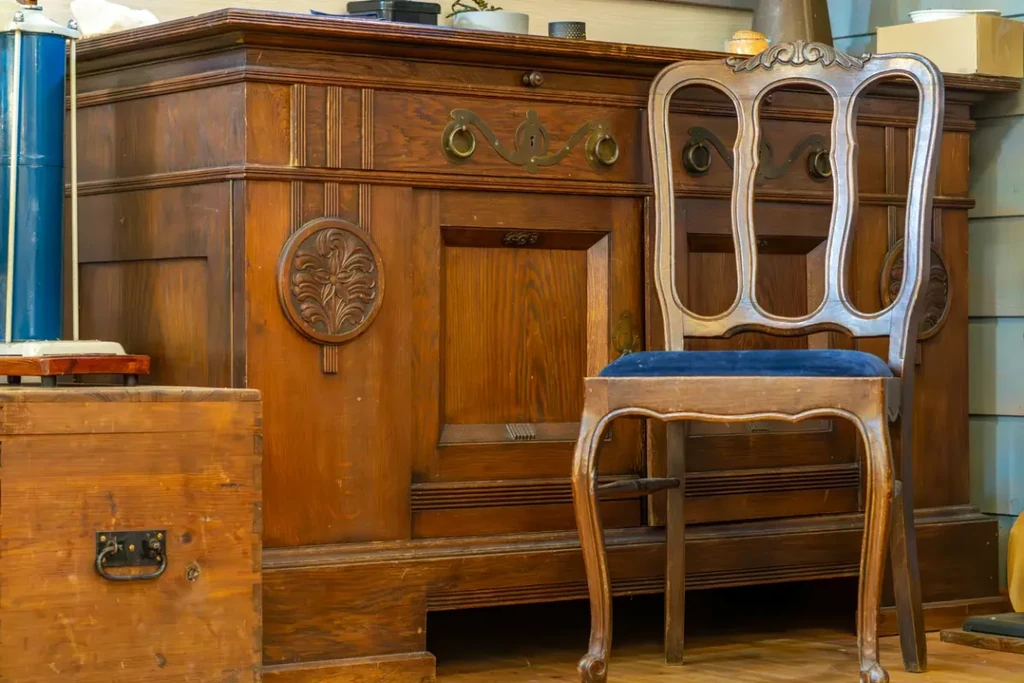
- Wooden furniture, which warps and cracks in both heat and cold
- Electronics, where condensation can damage circuit boards
- Artwork, photographs, and important documents
- Musical instruments, especially pianos and stringed instruments
- Clothing and textiles stored for more than a few months
- Mattresses and upholstered furniture
- Candles, vinyl records, and other items with low melting or degradation thresholds
The longer items stay in storage, the more the risk compounds. Climate control often costs less per month than replacing one damaged item.
When a Standard Unit Is Enough
Metal tools, outdoor equipment, lawn furniture, plastic bins of seasonal decor, and most vehicles hold up well in standard units, especially for shorter periods. Short-term storage during a move is also low risk. A few weeks can be very different than 12 to 18 months in a unit that cycles between freezing and 120 degrees.
The Hidden Cost of Getting It Wrong
A warped solid-wood dining set cannot be unwarped. A damaged mattress cannot be cleaned back to new. Electronics exposed to repeated freeze-thaw cycles may fail months after retrieval, with no obvious connection to the storage environment.
When you weigh replacement costs against a few extra dollars per month, the math usually favors the upgrade.
Three Questions to Help You Decide
Before choosing a unit, ask:
- What am I storing? If any item from the list of what to store in a climate-controlled unit applies, lean toward climate control.
- How long will it be in storage? Longer timelines mean more cumulative exposure.
- Where am I storing it? Extreme climates, whether cold Northern states or hot Southern regions, raise the stakes for standard units.
If two of the three answers point toward risk, climate control is likely worth the extra cost.
Ready To Reserve?
KO Storage offers climate-controlled units across multiple locations. Find a facility near you and reserve online. No credit card required.