
Seasonal Storage by Region: Protecting Vehicles in Cold, Heat, and Humidity
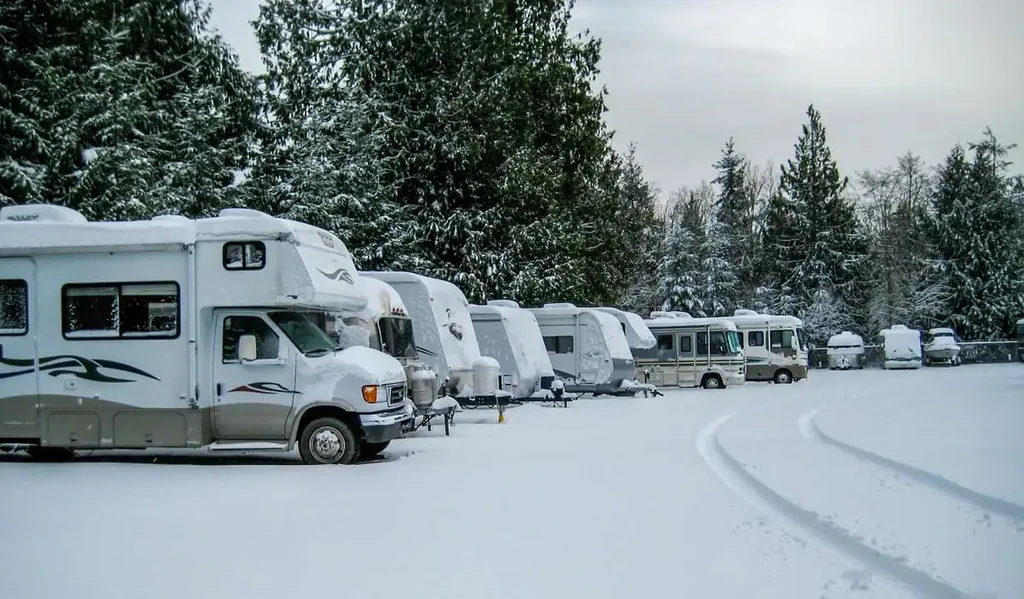
Storing a vehicle isn’t as simple as parking and locking the door. Weather plays a major role in how cars, trucks, and boats hold up in storage, and understanding the risks associated with temperature and moisture can help prevent long-term damage. Whether you’re dealing with harsh winters or scorching summers, preparing ahead makes a noticeable difference.
Across the country, KO Storage facilities support drivers who need short-term or long-term vehicle storage during moves, relocations, and seasonal transitions. By understanding the conditions in your area and choosing the right type of vehicle storage, you can keep your car, truck, boat, or RV secure year-round.
How Weather Impacts Vehicle Storage
Weather affects vehicles differently depending on regional conditions, and these impacts often compound if the vehicle sits unused for months. Cold climates strain batteries and fluids, while hot regions accelerate fading and material deterioration. In coastal or humid areas, moisture becomes the most significant challenge, increasing the chances of rust or mildew.
Even if your vehicle is properly maintained, leaving it idle can worsen these issues. That’s why selecting the proper environment and applying the right protective steps is important to reduce unnecessary wear and tear.
Vehicle Storage for Winter in Cold Regions
Winter vehicle storage introduces its own set of concerns, especially if temperatures regularly dip below freezing. Vehicles stored outdoors experience more rapid component strain, while those stored indoors benefit from a more consistent environment.
Battery, Fluid, and Tire Risks in Below-Freezing Temperatures
Cold temperatures place added stress on stored cars and vehicles, especially when they remain idle for weeks. Batteries can weaken, fluids lose efficiency, and tires become more prone to damage.
Common below-freezing risks for vehicles include:
- Faster battery drain
- Lower cold-cranking power
- Thickened oil and coolant
- Reduced fluid circulation
- Tire pressure drops
- Increased flat-spotting
- Brittle rubber in extreme cold
Long-Term Parking in Heat
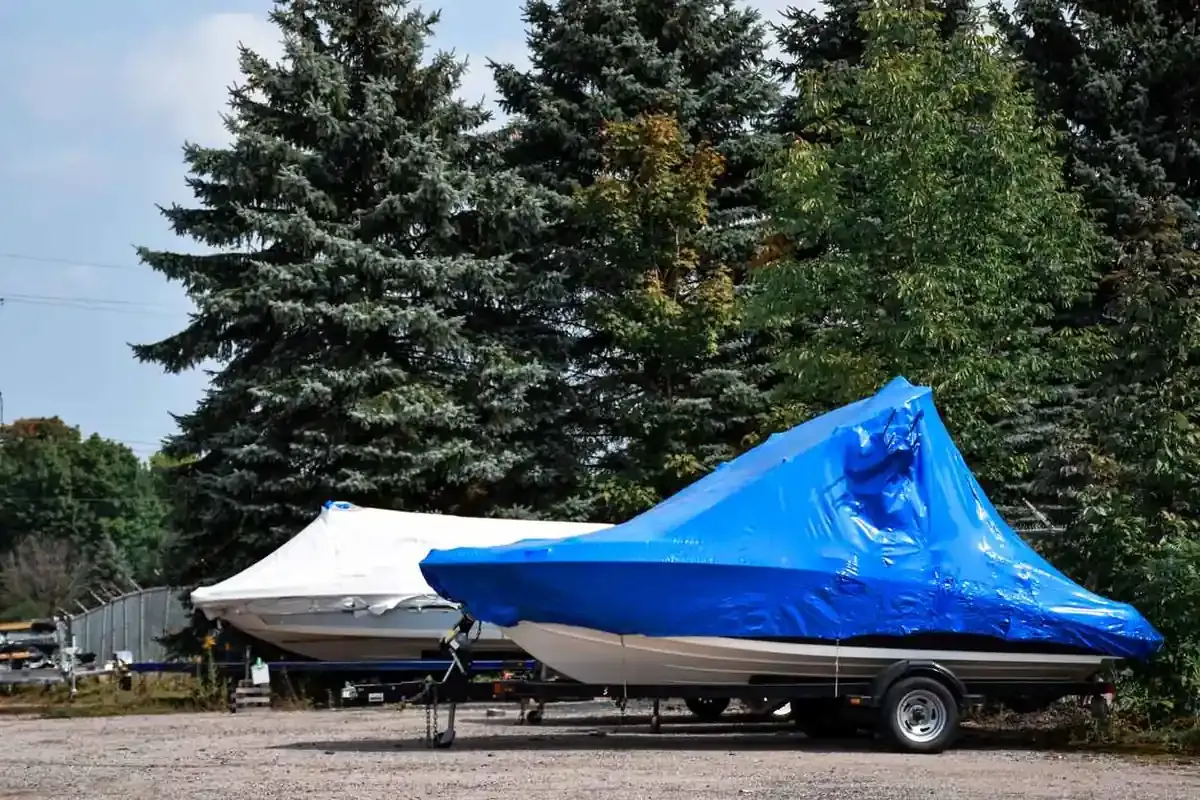
Drivers in regions with intense summer heat face different issues when renting parking storage. High temperatures can cause the interior materials of your boat, trailer, or RV to warp or fade, especially dashboards, leather seats, and plastic components. Heat and UV rays also affect tire rubber, increasing the risk of cracks or weakened sidewalls.
Deterioration of Interiors, Tires, and Electronics
Extreme heat places significant stress on vehicle electronics, including sensors, wiring, and infotainment systems. When stored for long periods, heat buildup inside the cabin can worsen these risks. Addressing sun exposure, interior protection, and fluid checks becomes essential for anyone preparing for vehicle storage in hot areas.
How Hot Climates Increase Rust and Mold Risks
Humidity dramatically influences vehicle longevity. Moisture seeps into crevices, creating ideal conditions for rust on undercarriages and mold inside cabins. Even small amounts of trapped moisture can spread over time, particularly when airflow is limited. Indoor vehicle storage can help shield against temperature and humidity changes, reducing the risk of corrosion.
Choosing Indoor or Outdoor Vehicle Storage
Selecting between outdoor and indoor vehicle parking often depends on your area’s climate, your budget, and how long you plan to store your vehicle. Both options offer benefits, including storage facility security features, but understanding how each supports your specific region helps you make an informed choice.
Benefits of Indoor Vehicle Storage
Indoor storage helps shield vehicles from snow, UV exposure, and heavy moisture levels. This option is especially useful in regions with long winters or extreme summers. With these storage units, you can drive up, open the door, and park inside with ease. By limiting exposure to temperature swings and precipitation, indoor parking can help maintain the condition of paint, tires, and interior materials.
Benefits of Outdoor Vehicle Parking
Outdoor vehicle storage works well for short-term needs or for drivers in moderate climates. It’s a practical choice for larger vehicles that may not fit indoor spaces or where indoor parking is unavailable. With a proper vehicle cover and periodic checks, outdoor parking can be an accessible and budget-friendly option.
Protective Steps for Winter Car Storage
Vehicle owners preparing for winter vehicle storage can take a few straightforward steps to help keep their vehicles in better condition. These include:
- Clean the exterior and undercarriage to remove salt and debris.
- Inflate tires to the recommended pressure and consider using tire cradles.
- Disconnect or maintain the battery using a tender to help prevent power loss.
Additional steps, such as topping off fluids, adding fuel stabilizer, or placing moisture absorbers in the cabin, can provide added protection during long, cold months.
Find Secure Vehicle Storage at KO Storage
KO Storage offers secure vehicle storage tailored to your needs across diverse climates and regions. With indoor and outdoor spaces available at numerous locations, you can choose the environment that best suits your vehicle and the weather in your area during the offseason or year-round. Wherever you are, the KO Storage team is committed to helping you find a space.
Get started today! Find a KO Storage facility near you to locate a solution that works for you and rent a vehicle storage space today. Our FAQ page and packing and moving tips can also provide valuable self storage information.
Author
KO Storage Content Team
At KO Storage, our content team is passionate about making self storage easier to understand and more accessible for everyone. With real-world experience helping thousands of customers in the United States, we provide practical advice on everything from packing and moving to selecting the ideal storage unit. Our goal is to simplify the storage process and help you make informed, confident decisions about your space.